

Traffic management systems
WE Engineer the Foundation
of Modern Traffic Management.
Intelligent Traffic Systems for highways, road networks and smart cities, from design through commissioning.
Why choose traffic management systems from IESYS
A long-term partner for future-ready road infrastructure.
Complete
project
lifecycle
Custom system design, turnkey installation and integration, tailored software development, testing and validation, from concept to operation.
Tailored
to local
requirements
Backed by national experience: scalable, modular ITS platforms tailored to local requirements while adhering to EU and international standards.
Integration with existing infrastructure
Turnkey solutions that integrate with existing infrastructure for centralized control, real-time data exchange and coordinated operations.
Support
as networks evolve
Staff training, continuous maintenance and system upgrades that keep ITS networks aligned with evolving infrastructure and regulatory needs.
What we engineer for road infrastructure
Complete traffic engineering solutions for real-time monitoring, adaptive control and automated enforcement.
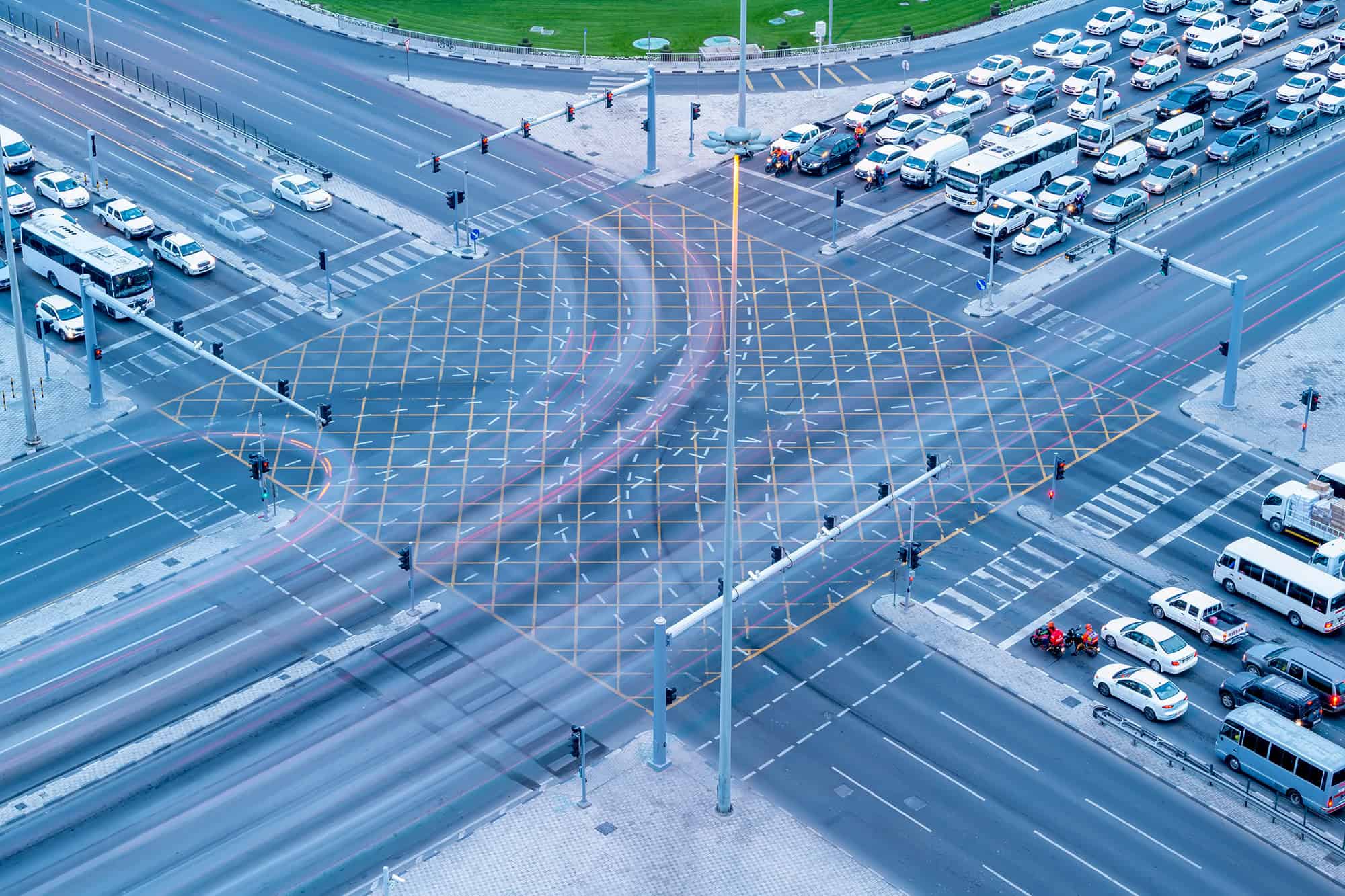
Smart City
Traffic Control Systems
Intelligent traffic signaling and adaptive intersection control, managed in real time from a centralized urban control center.
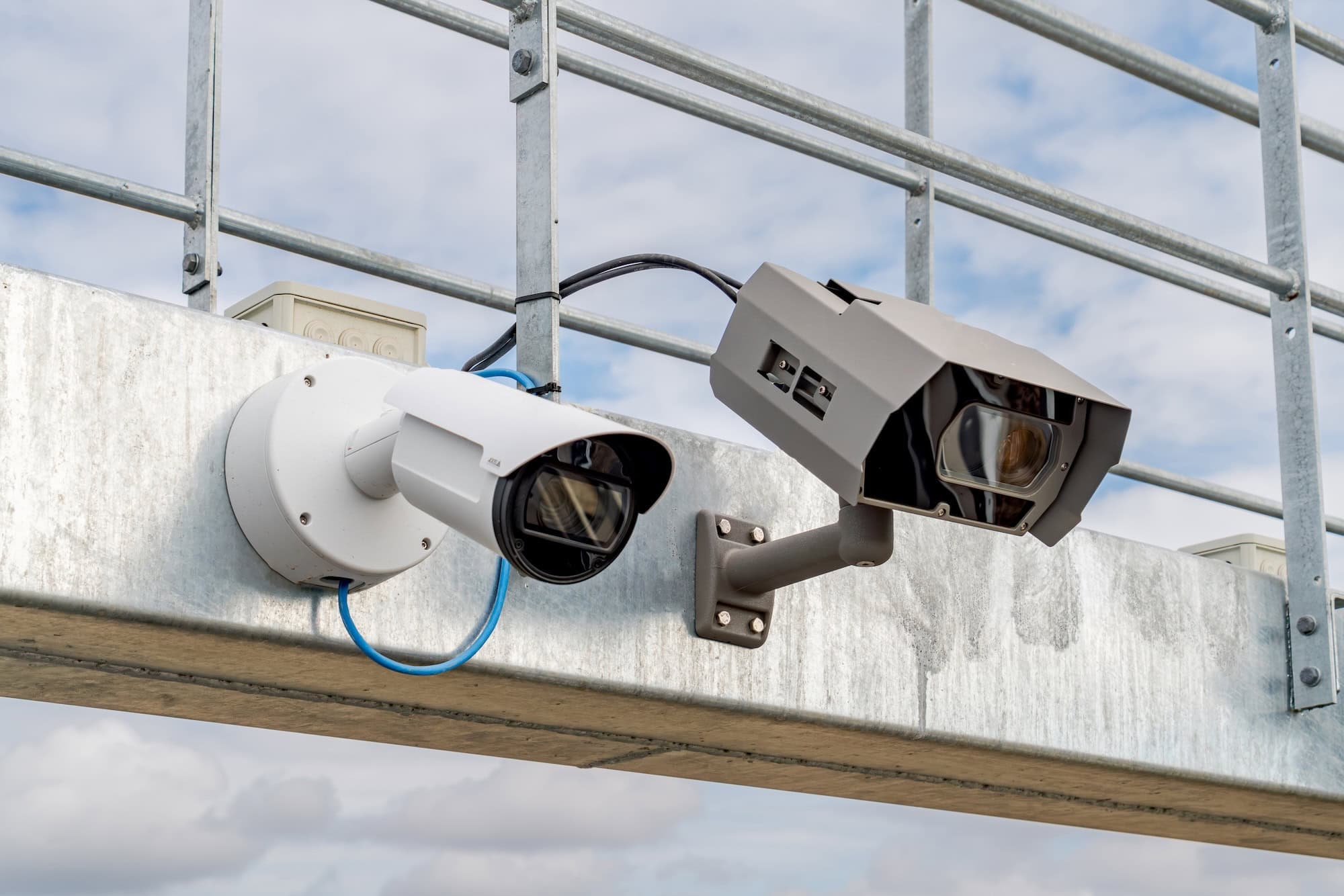
Law-Enforcement Solutions
Vignette verification, speed enforcement, Weigh-in-Motion and vehicle size measurement, with automated violation processing.
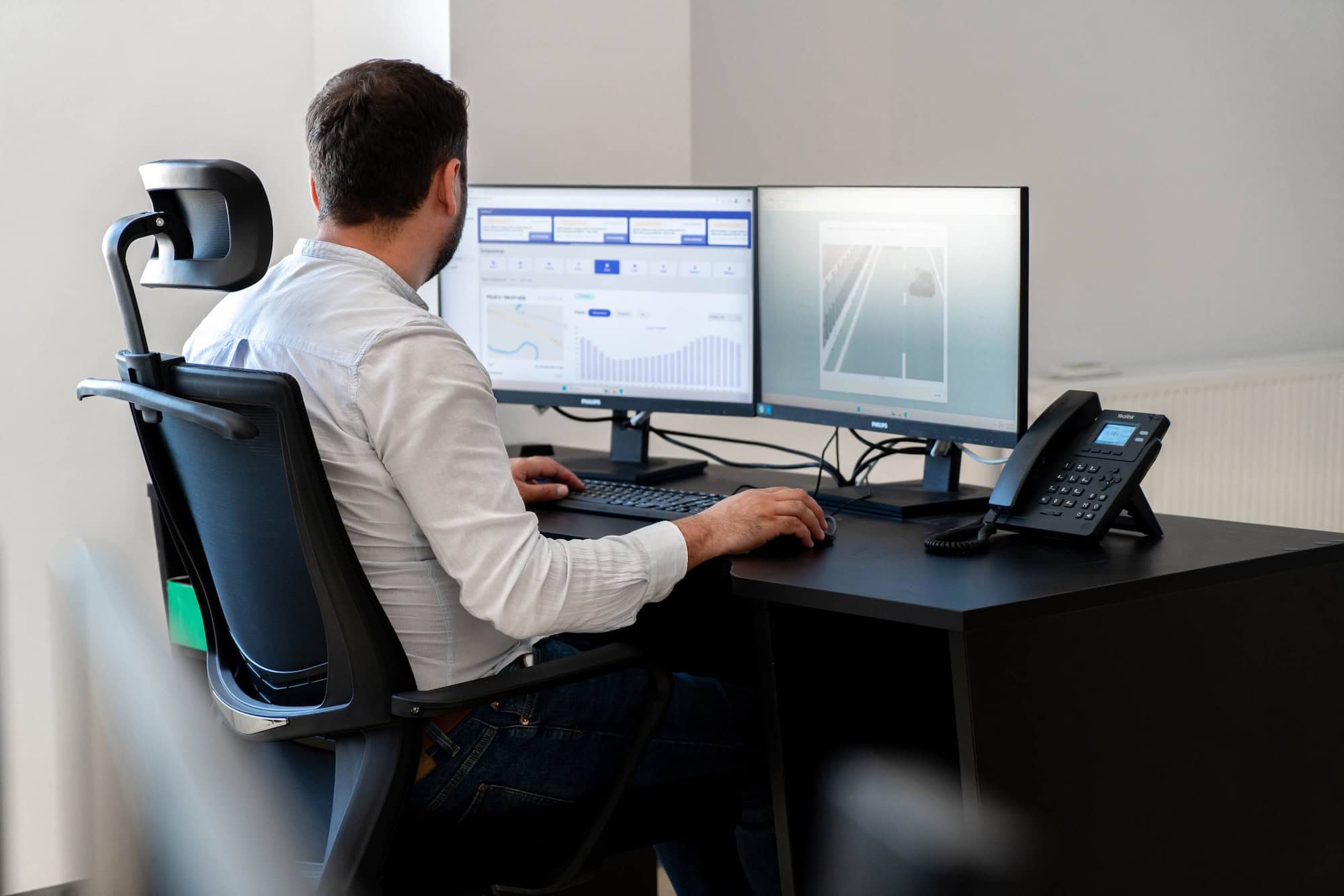
Traffic control & Monitoring
Traffic control systems and real time data collected from sensors, cameras and control points, for a comprehensive overview of traffic on the road network.
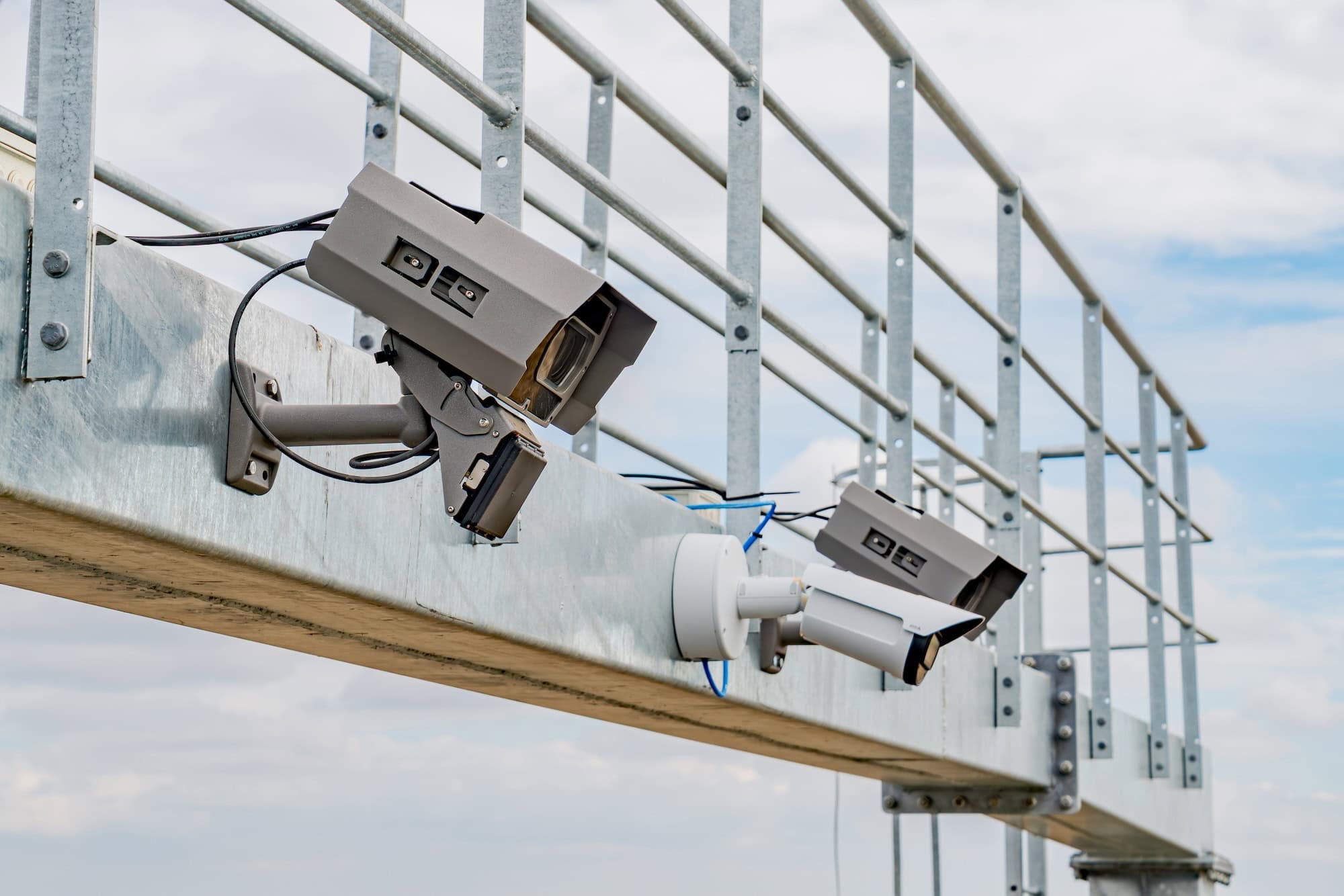
Video Surveillance & ANPR
Video monitoring and Automatic Number Plate Recognition, supporting enforcement, traffic analysis and parking management.
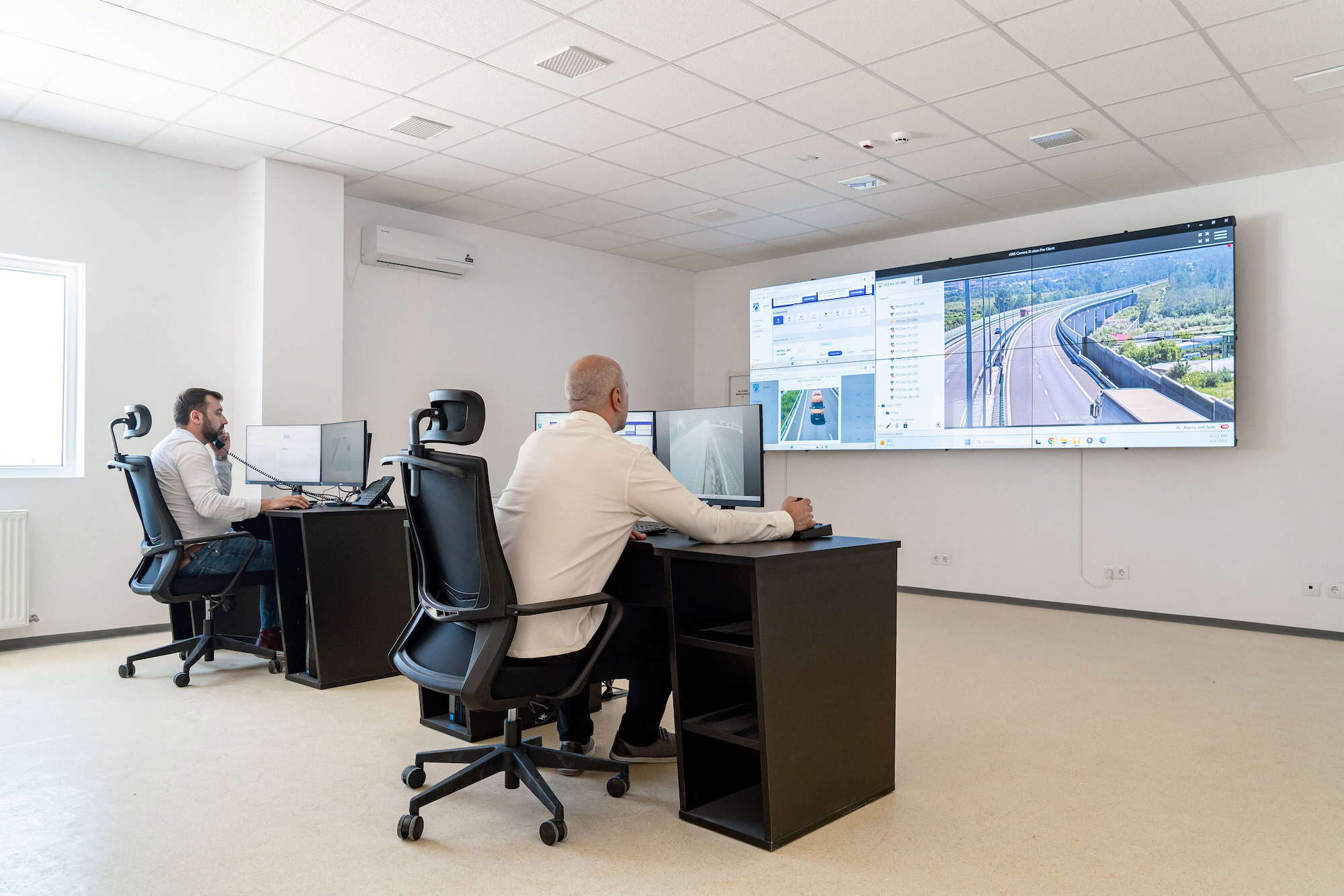
Centralised Traffic Management
Control centers that bring ITS systems into a single operational platform, for full visibility and real-time, data-driven decisions.
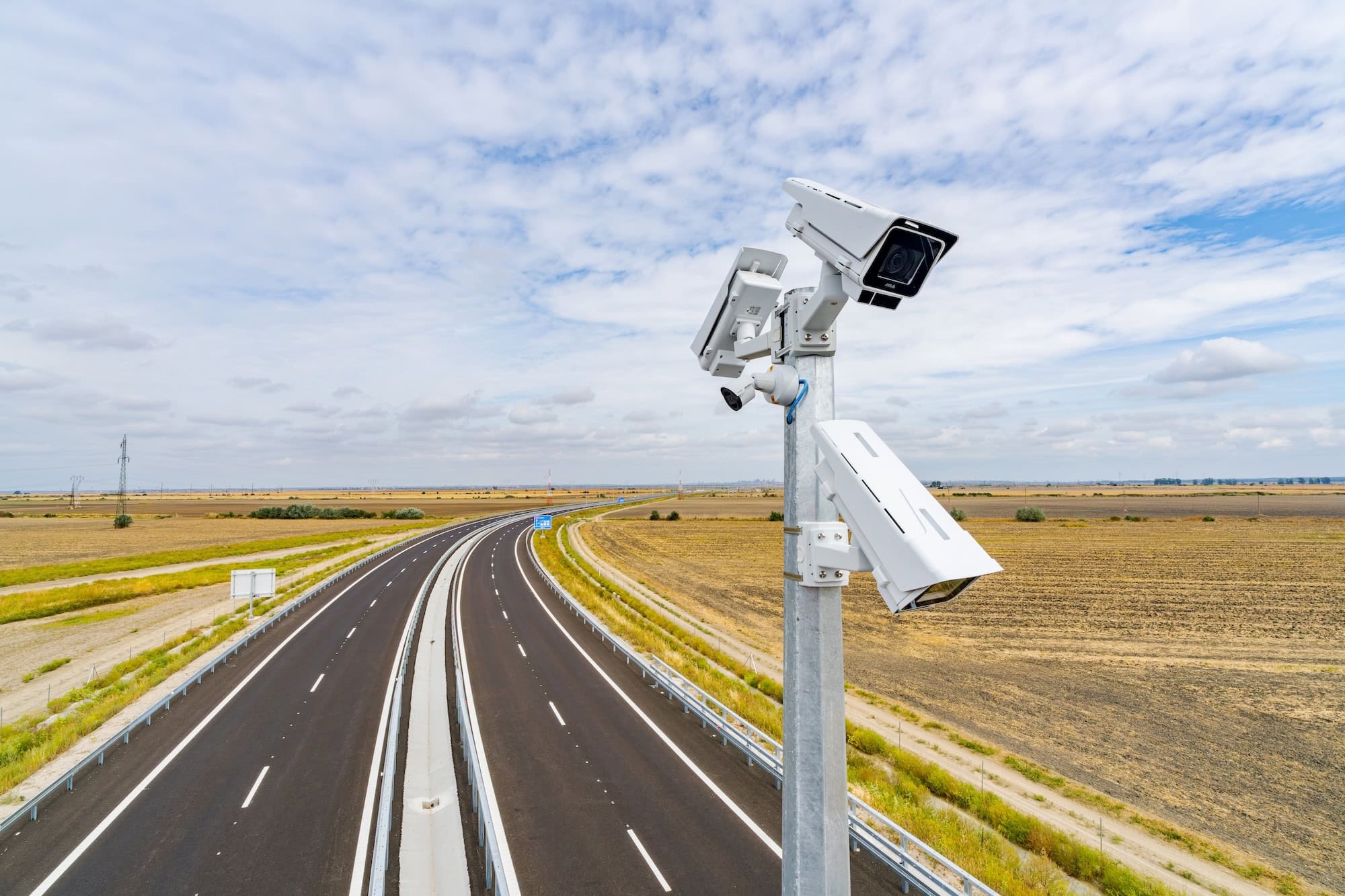
Traffic Ecosystem
Every ITS component operates as part of an integrated ecosystem, turning live data into actionable intelligence.
Smart engineering
Precision technology and flexible design for smooth, reliable traffic operations across diverse environments.
Modular & adaptable architecture
Scalable architectures that adapt to network growth, changing regulations and mobility innovations.
Reliable visibility & control
Centralized, interoperable platforms give operators real-time oversight, faster response times and less congestion.
Data-driven decision making
Fast, accurate data collection and predictive analytics support proactive traffic management and informed planning.
Security & compliance
Advanced cybersecurity and full compliance with EU and national standards, for safe and reliable operations.
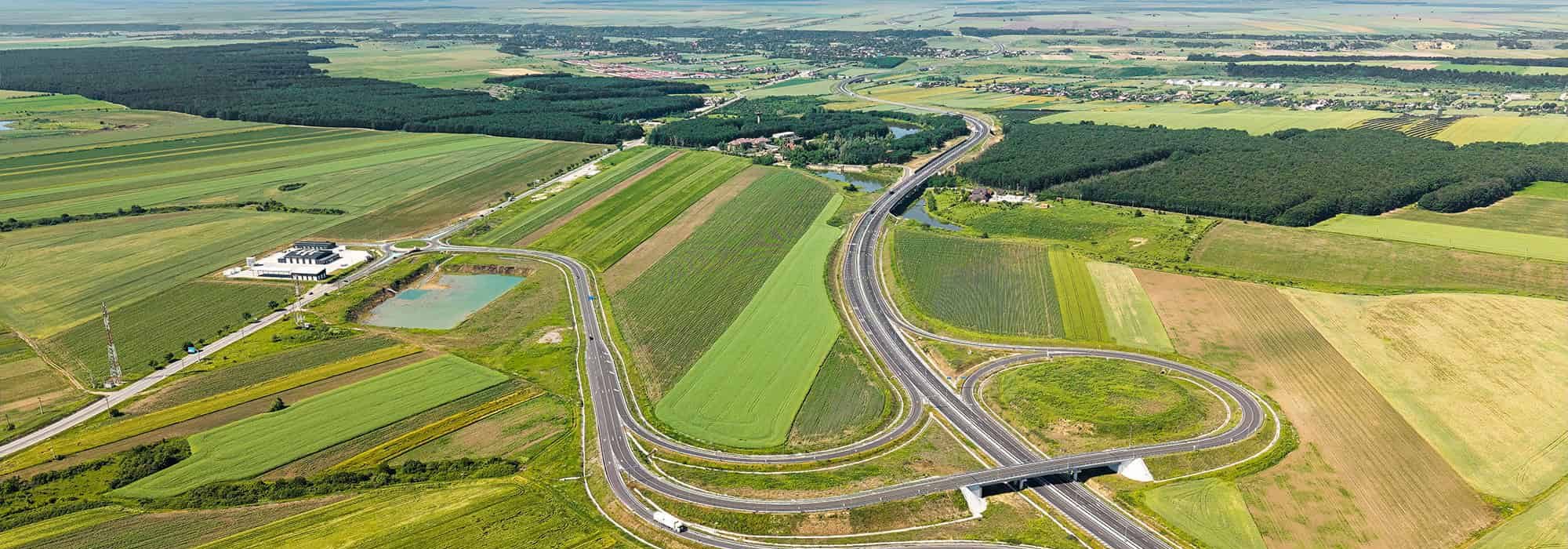
Sustainability
Energy-efficient designs, automation, predictive maintenance and scalable architecture for greener, more resilient road infrastructure, aligned with ESG principles.
Engineering in motion
The systems that keep every road moving
Behind every safe journey is a network of engineering decisions, integrated technologies and people who turn live traffic data into faster, smarter decisions.
See how, from a single intersection to entire highway networks, our traffic management systems keep roads moving with real-time visibility, adaptive control and automated enforcement — around the clock, in every condition.
Traffic management projects
Engineering in action
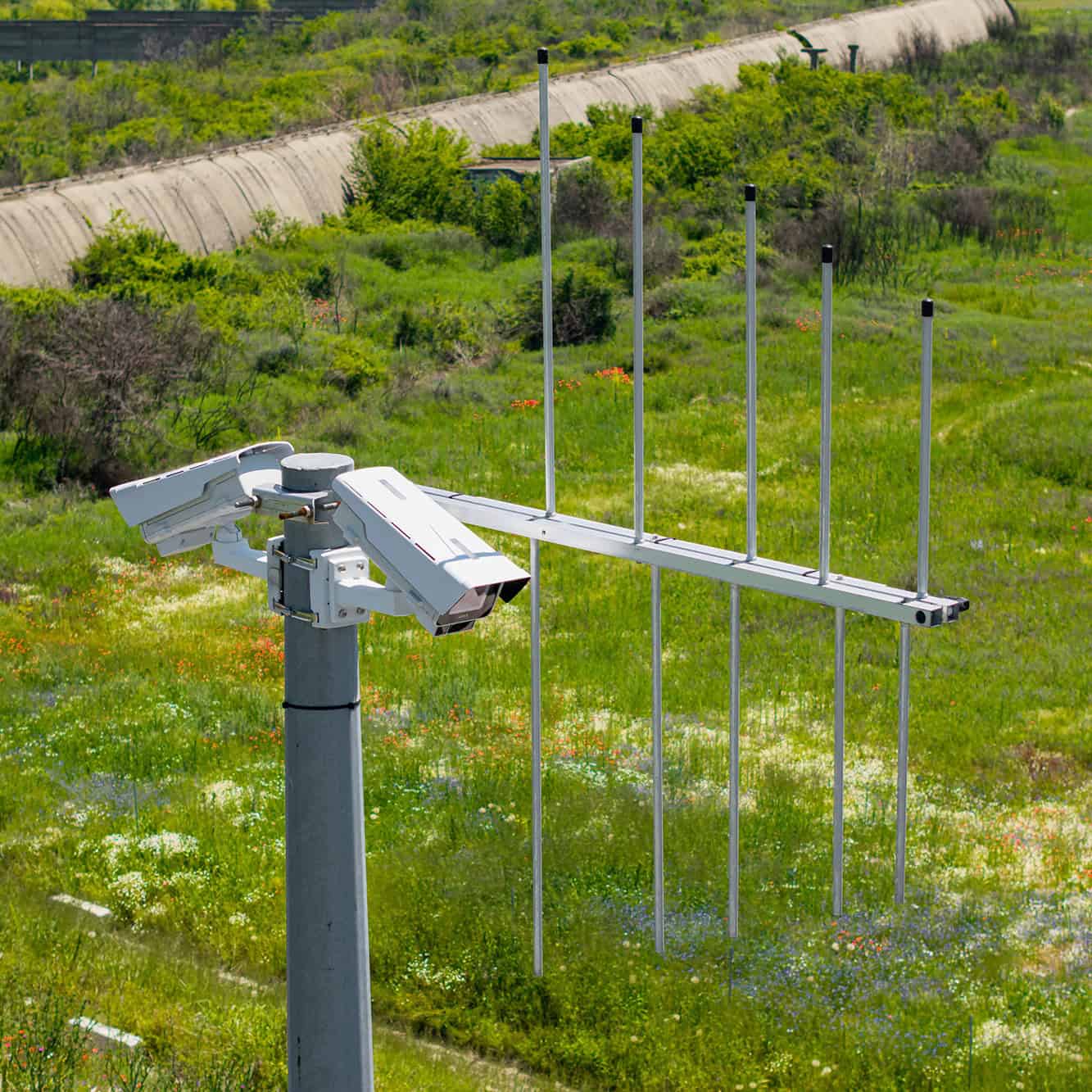
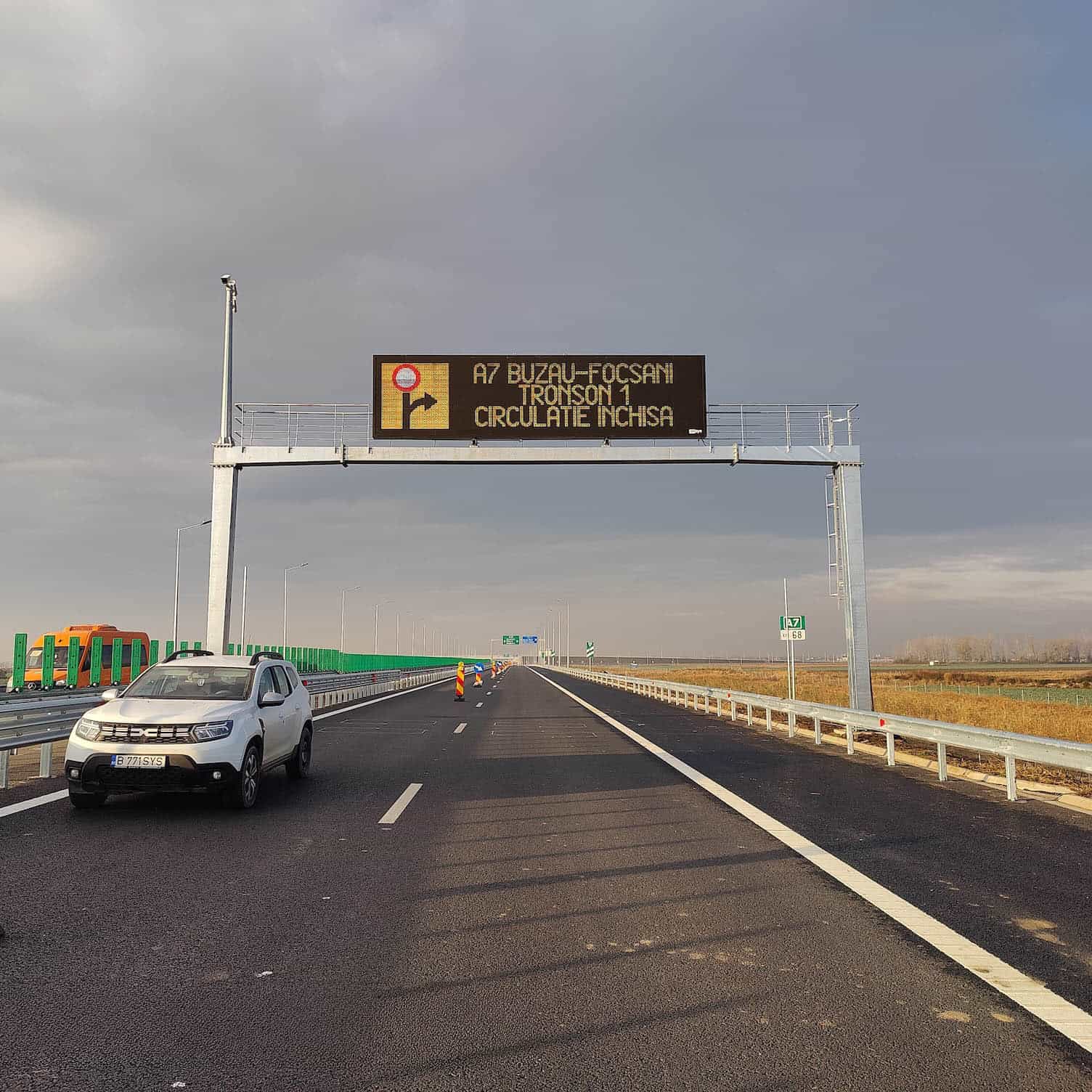
Planning a new ITS project or a network upgrade?
Share your ITS project scope, current stage and technical requirements. Our engineers are available for technical consultations.
FAQ
Got questions about how IESYS works, what we do, or how to start a project together? We’ve gathered the answers to the most common ones here — clear, direct, and without the runaround.
When is a centralized ITS architecture the right choice?
A centralized ITS architecture becomes the right choice when traffic management depends on multiple systems working together rather than operating independently.
As road infrastructure expands, traffic control centers need to manage increasing volumes of data from cameras, ANPR, variable message signs, weather stations, traffic detectors and other field devices. Operating these systems separately often leads to slower response times, duplicated information and limited operational visibility.
A centralized architecture brings these technologies into a single operational platform, allowing operators to monitor events, coordinate responses and make decisions using a common view of the road network.
From an engineering perspective, the objective is not centralization itself but creating an architecture that remains scalable, simplifies system management and allows new devices or technologies to be integrated without redesigning the entire platform.
How should transport authorities prioritize ITS investments?
ITS investments should be driven by the operational challenges that have the greatest impact on the road network, not by the number of technologies being implemented.
In practice, investment priorities are also influenced by funding programmes, implementation schedules and regulatory requirements. These factors often determine when projects move forward. They should not determine how the system is engineered.
Every road network has different priorities. Some authorities need better incident detection, others need more accurate traffic data, speed enforcement or vehicle weight monitoring. The right investment starts with understanding the operational problem that needs to be solved.
A phased implementation strategy, built on an architecture that supports future expansion and integration, usually delivers better long-term results than implementing standalone technologies without a long-term engineering plan.
Which traffic management KPIs should drive operational decisions?
The most valuable traffic management KPIs are those that help operators make better operational decisions, not simply measure system performance.
While priorities vary from one road network to another, traffic management centers typically monitor indicators such as traffic flow, incident detection and response times, travel time reliability, equipment availability and the quality of traffic data. Together, these KPIs provide a clearer picture of how the network is performing. Operational decisions should be based on how these indicators relate to each other and how they reflect real traffic conditions.
The value of these KPIs lies not in collecting more data, but in giving operators the information they need to respond faster, manage traffic more effectively and improve the overall performance of the road network.
What information should be available before launching an ITS procurement?
Before launching an ITS procurement, the authority should have a clear understanding of the operational objectives the system is expected to support. That includes the current traffic conditions, the existing infrastructure, the systems already in operation, the available communication network and any constraints that may influence implementation.
It is also important to define how the system will be operated, which information operators need and how different ITS components will exchange data. These decisions influence both the technical specification and the level of integration required.
The more clearly these requirements are defined before procurement begins, the easier it becomes to evaluate technical proposals and reduce changes during implementation.
How should transport authorities select roadside technologies for different operational objectives?
Roadside technologies should be selected according to the operational objective they are expected to support. For example, improving incident detection requires different technologies than traffic monitoring, speed enforcement or vehicle weight control. Selecting the right solution starts with understanding the operational requirement, followed by the performance expected from the system and how it will integrate with the existing ITS infrastructure.
Technology selection should therefore be driven by operational outcomes, integration requirements and long-term maintainability, rather than by individual product specifications.
Which engineering decisions have the greatest impact on the long-term performance of an ITS system?
In practice, the most important decisions define how the system will communicate, how different technologies will be integrated and how easily the infrastructure can be expanded in the future.
These choices influence not only today’s system performance, but also how easily new roadside equipment, software updates and additional ITS functions can be introduced over the years.
Once the system is operational, changing these decisions is usually far more expensive than getting them right during the engineering phase.
What is Weigh-in-Motion and which factors determine measurement accuracy?
A Weigh-in-Motion (WIM) system measures the weight of vehicles while they are moving, without requiring them to stop. Its value, however, depends less on the weighing technology itself and more on how the entire system is engineered and implemented.
Measurement accuracy is influenced by several factors, including pavement condition, the intended operating scenario, sensor installation, calibration and the way the system is integrated with other ITS platforms. Together, these factors determine whether the system produces data that can be relied on for enforcement, infrastructure planning and day-to-day operational decisions.
A WIM system should be evaluated by the reliability and usability of the information it delivers over time, not simply by its measurement accuracy under ideal conditions
For a more detailed look at the engineering factors that influence ATR performance, see our article: https://iesysgroup.com/the-critical-5-what-factors-determine-a-wim-system-to-produce-results/
How do integrated ITS platforms improve operational decision-making?
An integrated ITS platform improves operational decision-making by bringing information from different systems into a single operational view. Instead of switching between multiple applications, operators can assess traffic conditions, equipment status and incidents using the same interface. This reduces response times, improves situational awareness and helps ensure that decisions are based on consistent information.
Integration also allows different ITS technologies to exchange data automatically. Information collected from one system can trigger actions in another, reducing manual intervention and improving the overall efficiency of traffic management.

From challenge to progress. WE Engineer.