

The Critical 5: What Factors Determine a WIM System to Produce Results
- Episode 3 -
5 Differentiators of a Performing WIM (Weigh-in-motion) System
A monthly insight series by IESYS
Overloaded vehicles are not an exception in heavy traffic. In the absence of a reliable detection and measurement system, the effects of commercial freight traffic are constant: roads that degrade faster than they were designed for, budgets consumed on repeated repairs, reduced toll revenues, and precarious road safety.
An owner or future user of a WIM (Weigh-in-motion) dynamic weighing system must understand that there is a significant difference between an installed WIM system and a WIM system that operates with usable results. This difference is not visible at the inauguration. It is seen in the collected data, in reduced expenses, and in the condition of the roads at least three years after commissioning.
The five differentiators below are not selection criteria from a specification sheet. They are the factors that, based on our experience in implementing Intelligent Transport Systems, determine whether a WIM system brings benefits or is merely a cost generator.
#1 Measurement Accuracy Starts with the Pavement Condition
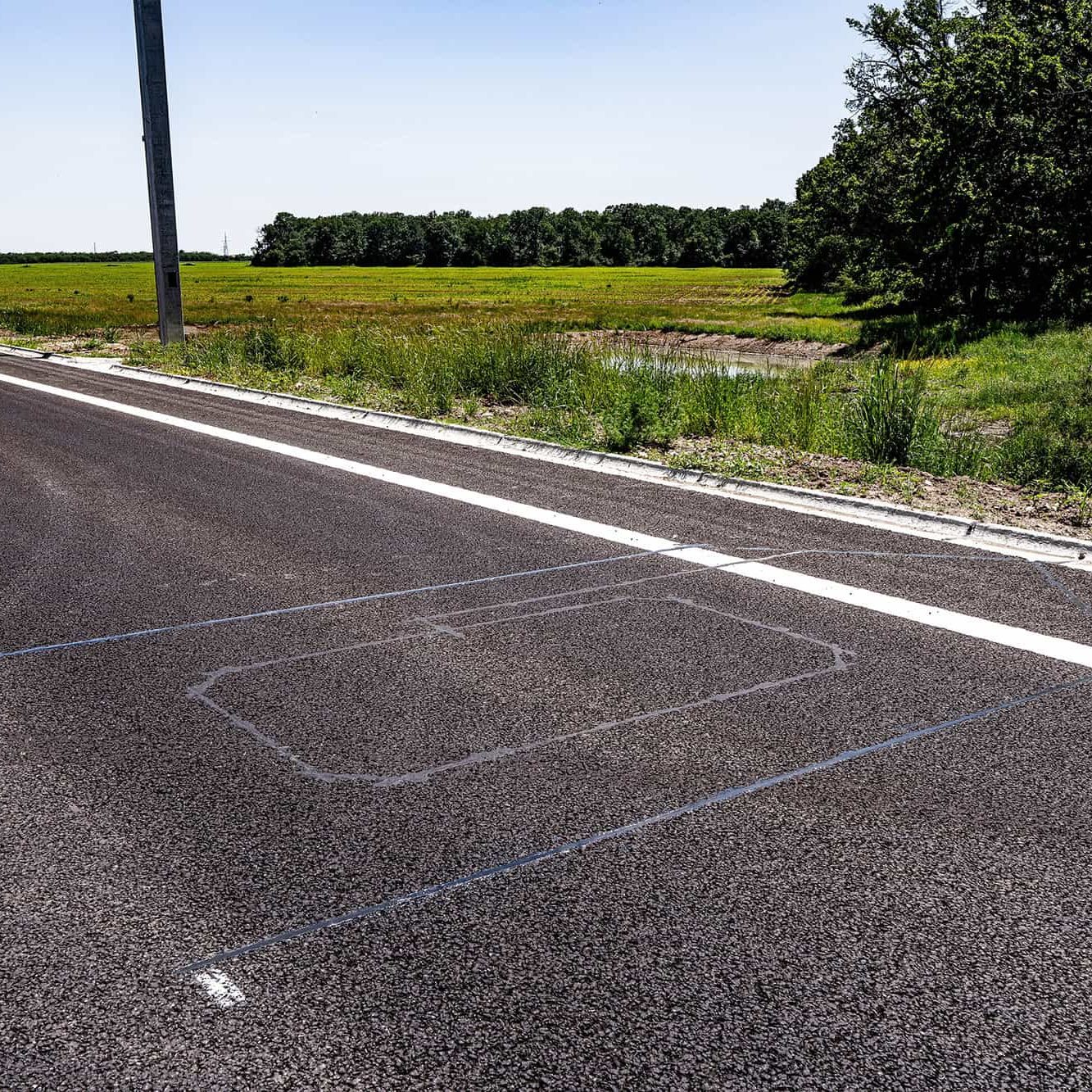
Measurement accuracy and reliability are directly and proportionally influenced by the condition of the road surface. To obtain measurements within the desired error margins, the site chosen for installation must fall within the limits defined by the WIM system manufacturer regarding geometry and wear layer characteristics.
Certified accuracy, continuous operation, and independence from the human factor are not optional technical specifications; they are the basic condition for such a system to be worth installing.
Environmental conditions can influence accuracy, which is why methods such as temperature compensation, sensor sealing, and continuous automatic monitoring of measurement deviations are used.
A robust WIM system measures correctly at any time, in any weather conditions, and without human intervention. Any compromise at this level is paid for in every overloaded vehicle that passes undetected.
#2 Usage Scenario — Preselection vs. Metrological Weighing
The choice between the two usage scenarios defines both the system’s performance and the long-term investment and operating budget.
WIM Preselection – weighing at a lower precision, with the aim of selecting vehicles to be weighed metrologically in a static manner. It involves a lower investment cost and is suitable for high-traffic areas, from which only suspicious vehicles are diverted for control.
WIM Metrological Weighing – certified precision with legal value. It involves a larger investment, maintenance costs, and periodic technical verifications, but delivers data usable directly in control and tolling processes.
#3 Maintenance and Calibration
The long-term performance of a WIM system depends directly on the quality of maintenance and adherence to a rigorous calibration schedule. This involves two essential components:
- Periodic maintenance of the site – both the wear layer of the road in the sensor area and the system equipment. The degradation of the road surface at the sensors directly affects measurement accuracy, and equipment exposed to environmental conditions requires regular checks and interventions.
- Calibration and authorization – for systems with legal metrological value, periodic calibration and authorization are mandatory. Without these, the collected data loses its validity in control and sanctioning processes.
#4 Integration with Law Enforcement and Tolling Systems
An isolated WIM system produces data. An integrated WIM system produces results.
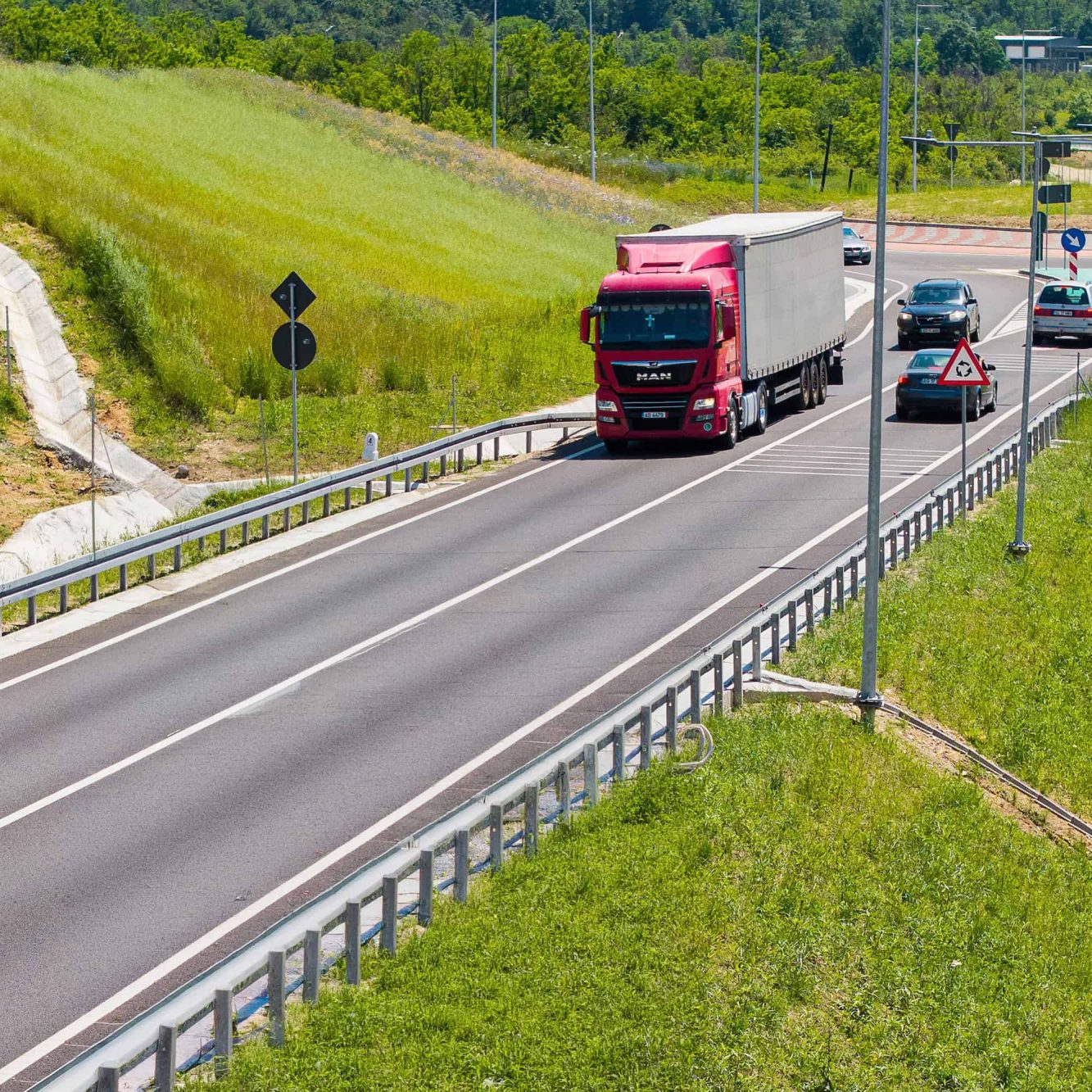
Heavy traffic tolling and overloaded vehicle control only work if WIM data reaches law enforcement systems and operators in real-time, whether we are talking about automatic routing to control stations, generating fines, or integration with electronic tolling platforms.
IESYS’s experience in integrating ITS systems covers exactly this level: connecting measurement data with operational and law enforcement workflows so that information generates action.
#5 Analysis, Planning, Decision
A well-implemented system does not just produce measurements about vehicle class and mass—it produces data that can be correlated to anticipate the evolution of road infrastructure conditions based on real recorded traffic.
The practical difference is between a reactive maintenance budget and a predictive one. Between emergency repairs and planned interventions. Between costs that surprise and costs that can be managed.
IESYS integrates WIM data into extended infrastructure management architectures so that the collected information becomes a basis for decision-making, not just an archive.
Most road administrations operate based on estimates of heavy traffic: approximated volumes and estimates deduced from incomplete data. A well-implemented WIM system changes this reality: it produces precise statistics that can feed predictive models and substantiate investment decisions based on data.
Beyond infrastructure planning, WIM data analysis opens an additional dimension: identifying risks and detecting fraud in road transport. Transit patterns, discrepancies between recorded weight and transport documents, or repeated avoidance of checkpoints become visible when data is systematically correlated and analyzed. A well-implemented WIM system doesn’t just measure; it provides authorities with the tools needed to act before fraud becomes a standard cost.
IESYS delivers WIM systems as an integral part of ITS data infrastructure, ensuring every measurement contributes to a complete and usable picture of heavy traffic.
Conclusion
A WIM system is not just weighing equipment; it can become a generator of information about infrastructure usage upon which decisions, budgets, and road safety are built.
The difference between a system that performs and one that erodes budgets lies not just in the core technology, but in the accuracy of the measurement, the quality of integration, and the ability to transform data into action and decision. These five factors are not a guarantee of a perfect system. They are the conditions without which no WIM system can deliver what it promises.
About IESYS
IESYS designs and implements intelligent transport systems as part of integrated infrastructure architectures. Our experience in WIM systems, traffic management, and ITS integration covers the entire chain: from design and installation to integration with operational and law enforcement platforms.
If you work in road infrastructure and want to understand what a solid WIM implementation looks like in practice, our team is at your disposal.