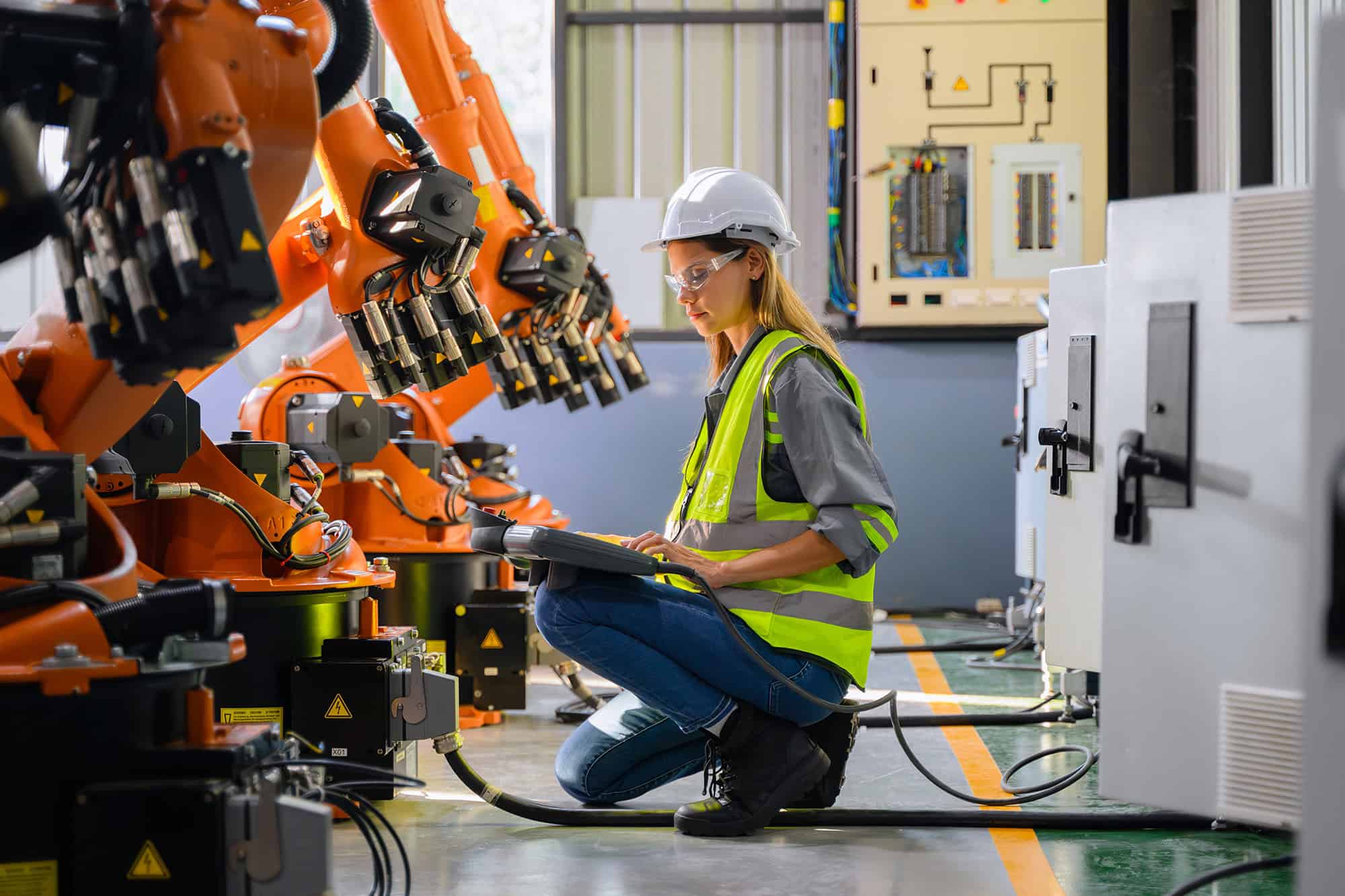
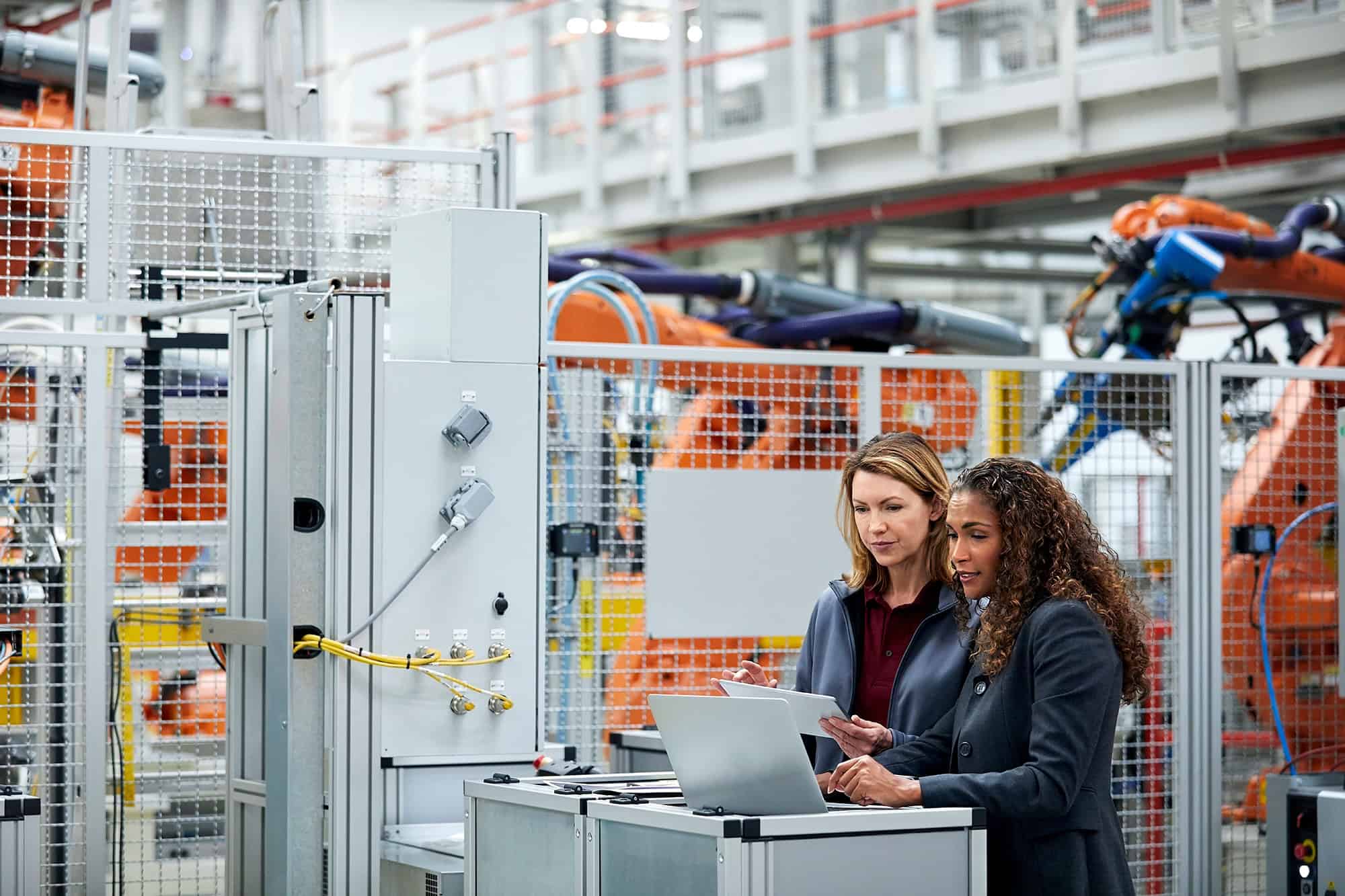
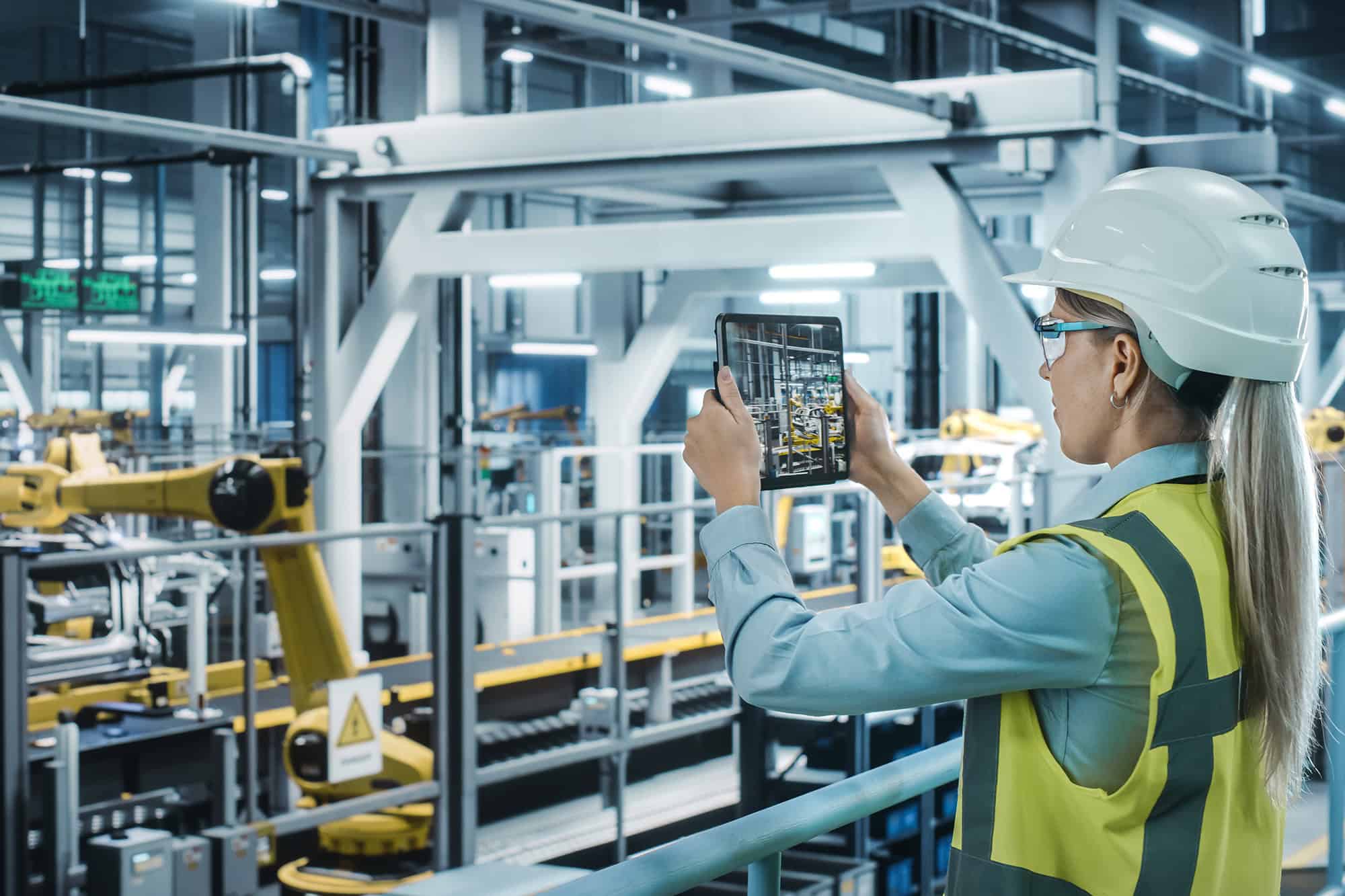
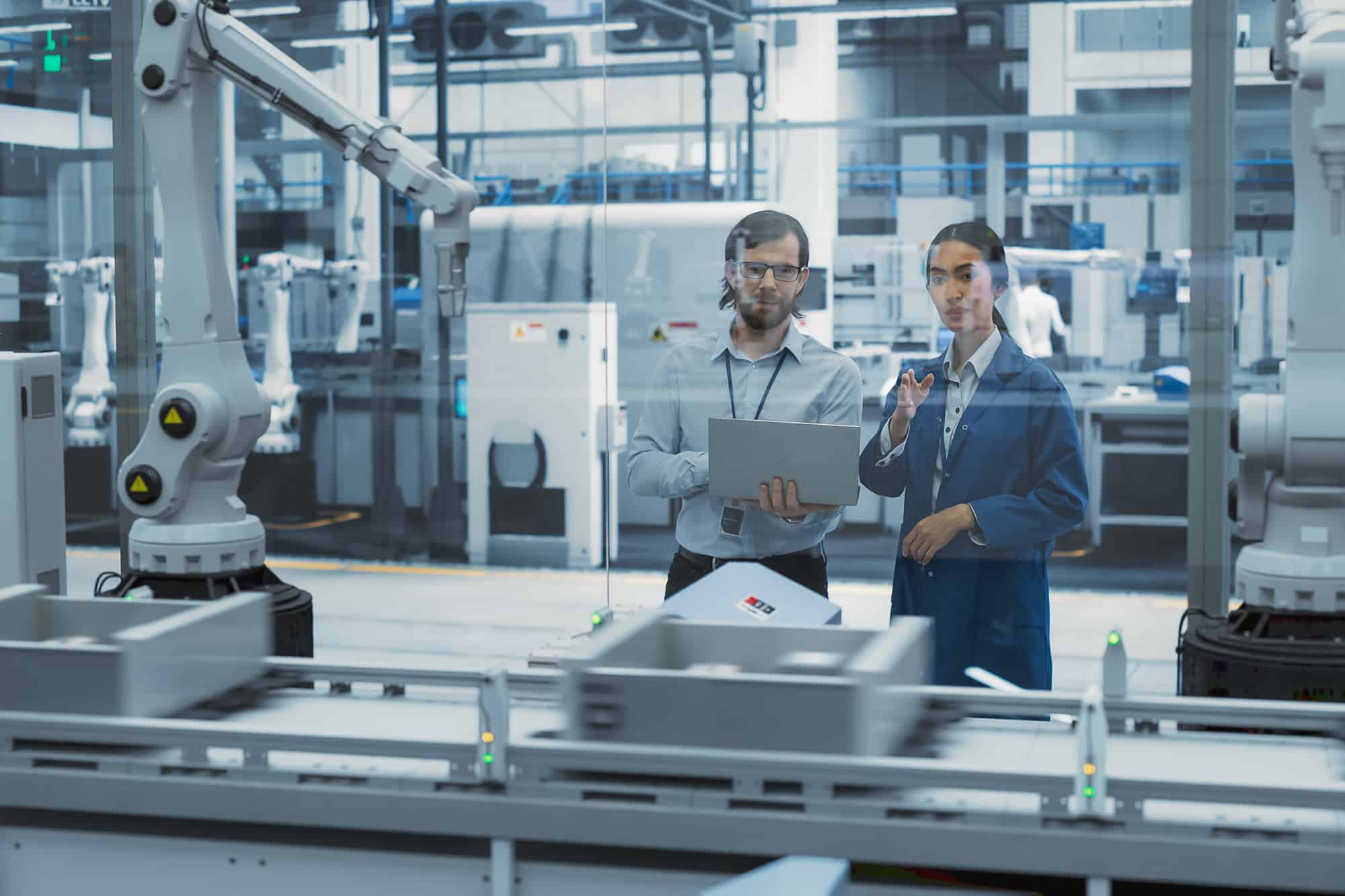
A long-term partner, from concept to continuous operation.
Complete lifecycle engineering
Custom system design, turnkey delivery with installation and integration, tailored software development and rigorous testing for reliability and performance.
Tailored to complex industries
PLC programming, SCADA, robotics, motion control and custom software, tailored to industries such as automotive, pharmaceuticals and energy.
Cross platform integration
Automation that integrates with existing operations and with MES and ERP systems, for centralized monitoring, real-time data and process optimization.
Full service support
Consulting, implementation, on-site training, proactive maintenance and scalable upgrades that keep operations efficient and future-ready.
What we engineer for industry
Complete industrial automation systems, engineered in-house as turnkey solutions for seamless integration, optimal performance and long-term reliability.
End-to-End Automation Engineering
Complete automation systems delivered turnkey, from design and implementation to ongoing support.
Precise control technology and modular design that optimize production, increase uptime and adapt to evolving manufacturing needs.
Modular & flexible architecture
Scalable, modular automation platforms that grow with your production capacity and adapt to new processes or international regulations.
Real-time monitoring & control
Advanced supervisory systems and real-time analytics give operators instant visibility, rapid response and less downtime and error.
Integration & data-driven optimization
Interoperable systems connected with MES and ERP, with AI-driven analytics that support decisions and continuous improvement.
Robust security & compliance
Comprehensive cybersecurity and full compliance with international industry standards, for safe and reliable plant operation.
Sustainability
Energy-efficient architectures, automation that maximizes resource efficiency and minimizes waste, and predictive maintenance that extends equipment lifespan.
Engineering in motion
The systems that keep every automation moving
Behind every system is a network of engineering decisions and people who turn complexity into reliable performance at scale.
Check out how from single machines to fully connected production lines, our automation solutions keep operations running with precision, speed and control — even in the most demanding environments.
Got questions about how IESYS works, what we do, or how to start a project together? We’ve gathered the answers to the most common ones here — clear, direct, and without the runaround.
When does production line modernization deliver greater value than extending the lifecycle of existing equipment?
Production line modernization delivers greater value when the existing mechanical infrastructure continues to meet operational requirements, while the limitations are caused by obsolete controls, software, drives or field devices.
In many production facilities, conveyors, mechanical assemblies and structural components remain reliable for decades. Replacing them may add cost and production downtime without delivering proportional operational benefits.
Modernizing automation, control systems and software often improves performance, reliability and maintainability while preserving the existing mechanical investment.
Which engineering decisions have the greatest impact on the long-term performance of an industrial automation system?
The engineering decisions with the greatest long-term impact are usually the ones that are the most difficult to change once the system is in operation. System architecture, integration with existing equipment, software structure and the ability to expand or modify the automation system all influence how easily the production line can adapt to future operational requirements.
Once the system is commissioned, changing these foundations is usually far more expensive than getting them right during the engineering phase.
How do you integrate legacy equipment without disrupting production?
There is no standard approach because every production line is different. The first step is always understanding how the existing equipment operates, what can remain in service and where the technical limitations are.
From there, the integration strategy is built around the production schedule. Whenever possible, modernization is planned in stages, with commissioning activities carried out during planned shutdowns or maintenance windows. The transition has to fit the way the factory operates, otherwise even a technically correct solution can create unnecessary disruption.
How do you balance production flexibility with long-term maintainability?
Every production line will change over time. New products are introduced, production volumes change and customer requirements evolve. The automation system has to support those changes without becoming more difficult to maintain after every modification.
That balance is established during engineering. The architecture should allow future changes without adding unnecessary complexity for the operators and maintenance team.
A flexible system is valuable only if it remains practical to operate, troubleshoot and maintain throughout its lifecycle.
How do factories standardize automation across multiple facilities?
Factories rarely become identical, even when they belong to the same company. Different products, production volumes and local requirements usually lead to different technical solutions.Standardization is therefore less about making every production line the same and more about applying the same engineering principles across all facilities. Common architectures, programming standards, documentation and maintenance practices make future projects easier to integrate, operate and support.
The objective is to create consistency where it adds value, while preserving the flexibility each production site requires.
Which engineering mistakes increase the lifecycle cost of an industrial automation project?
In our experience, lifecycle cost is influenced as much by engineering decisions as by the equipment installed Engineering decisions determine how easily the automation system can be modified, integrated with new equipment and maintained over time.
Projects designed only for today’s production requirements often become more difficult and more expensive to adapt as manufacturing needs evolve.
Which performance KPIs should be requested from a system integrator before project award?
Depending on the project, performance KPIs may include system availability, response times, production throughput and clearly defined acceptance criteria. Just as important is defining how these KPIs will be measured and validated once the system is operational.
Well-defined performance KPIs help both parties establish common expectations before the project starts and provide an objective basis for system acceptance.
How should system integrators be evaluated beyond price?
A system integrator should be evaluated on engineering capability, integration experience, project execution and the ability to support the system after commissioning. These factors influence how successfully the automation system is delivered, maintained and adapted as production requirements change.
In many projects, the long-term value of the investment depends as much on the quality of the engineering as on the equipment itself.
Which engineering decisions most frequently cause projects to exceed budget and schedule?
Projects usually exceed budget and schedule when important engineering decisions are postponed or when the existing production process is not fully understood. Integration requirements, commissioning strategy, shutdown planning and technical interfaces all need to be defined early. Changes to these elements during implementation almost always affect both cost and schedule.
In our experience, resolving engineering uncertainties before work begins on site is usually less expensive than solving them during installation or commissioning.
From challenge to progress. WE Engineer.
Manage Consent
Our website uses cookies to personalize and improve your experience and to provide relevant advertising. You can limit or eliminate the use of cookies in your browser.
Functional
Always active
The technical storage or access is strictly necessary for the legitimate purpose of enabling the use of a specific service explicitly requested by the subscriber or user, or for the sole purpose of carrying out the transmission of a communication over an electronic communications network.
Preferences
The technical storage or access is necessary for the legitimate purpose of storing preferences that are not requested by the subscriber or user.
Statistics
The technical storage or access that is used exclusively for statistical purposes.The technical storage or access that is used exclusively for anonymous statistical purposes. Without a subpoena, voluntary compliance on the part of your Internet Service Provider, or additional records from a third party, information stored or retrieved for this purpose alone cannot usually be used to identify you.
Marketing
The technical storage or access is required to create user profiles to send advertising, or to track the user on a website or across several websites for similar marketing purposes.